OUR SCIENCE
Three research groups.
One connected platform.
CAPCell brings AI, sensing, and bioprocess engineering together to advance cell manufacturing research.
Explore our research
Biomanufacturing / Sensing & imaging / AI & digital twins
INTERDISCIPLINARY RESEARCH GROUP 01
Intelligent biomanufacturing processes
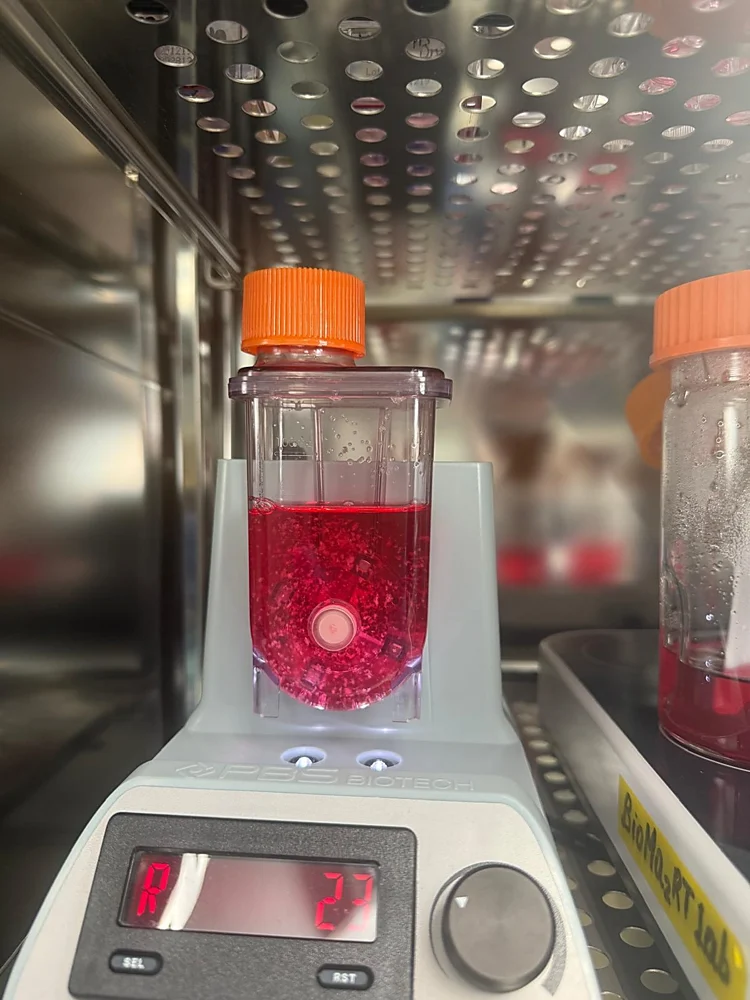
Developing scalable culture platforms for mesenchymal stem cells and their bioactive products. The group connects bioprocess engineering with sensing and AI to study culture conditions and improve process control.
Research lead: Dr. Camilo Mora
With Dr. Maribella Domenech
INTERDISCIPLINARY RESEARCH GROUP 02
Sensing technologies for biomanufacturing
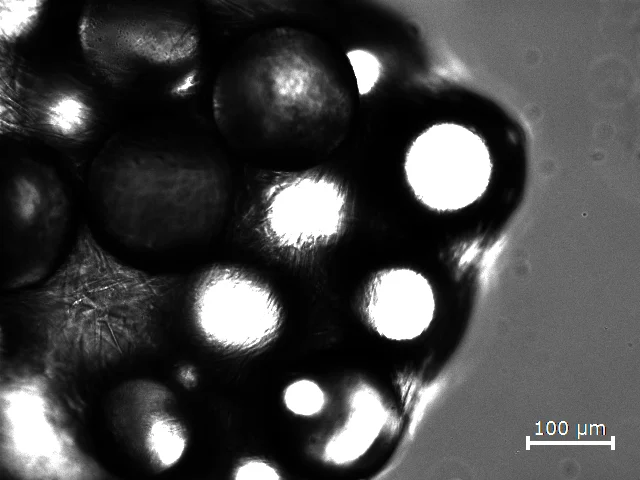
Using noninvasive imaging and sensing to study cells while they grow. Computer vision, digital staining, and multimodal data fusion bring complementary measurements together to predict cellular characteristics.
Research lead: Dr. Heidy Sierra
With Dr. Emmanuel Arzuaga, Dr. Michael Alvarez, Dr. Yahya Masalmah, and Prof. Alcides Alvear
INTERDISCIPLINARY RESEARCH GROUP 03
AI tools for biomanufacturing
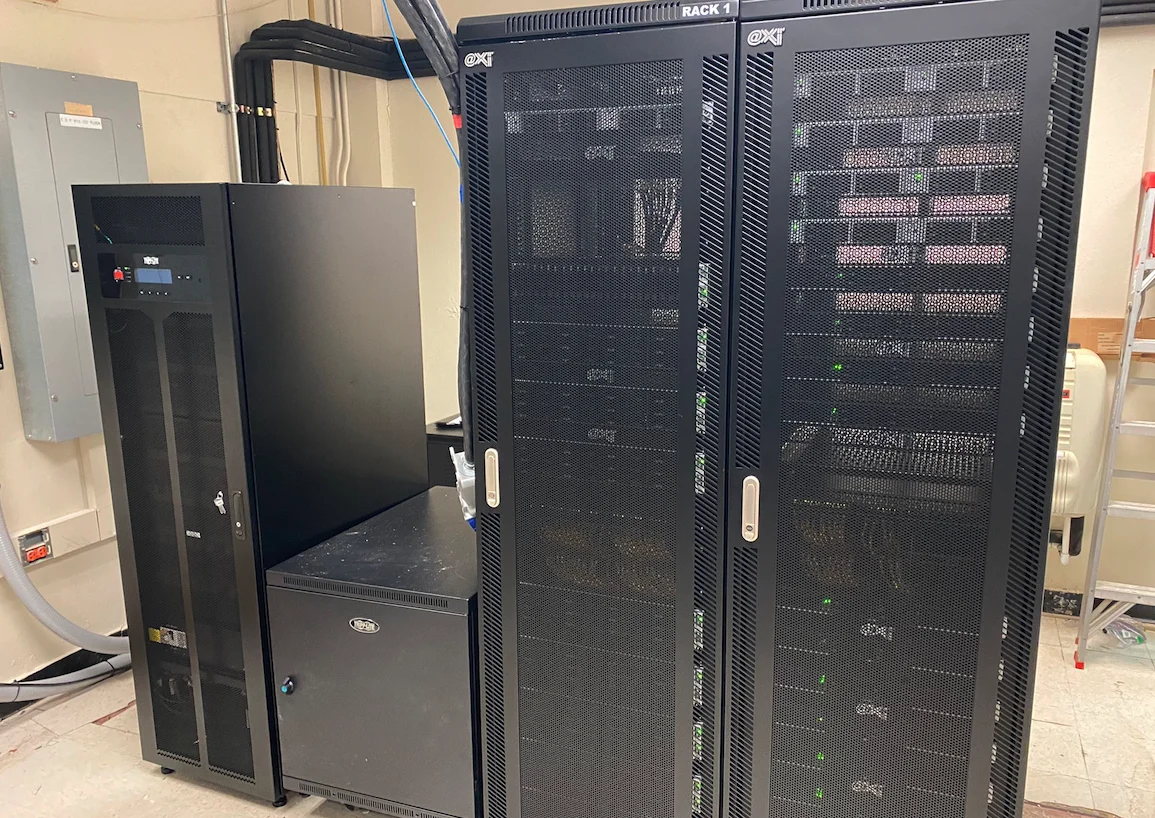
Developing physics-informed digital twins, language-model tools for scientific reasoning, and methods for checking AI recommendations. The group connects process data with models that support biomanufacturing decisions.
Research lead: Dr. Juan Patarroyo
With Dr. Manuel Rodriguez Martinez and Dr. Ubaldo Córdova-Figueroa
CROSS-DISCIPLINARY INTEGRATION
A connected research cycle.
Each group contributes to a shared effort: understanding the culture, interpreting the data, and testing better ways to guide the bioprocess.
01
Culture
Study cells and bioactive products in the bioreactor.
02
Sense
Capture imaging, metabolic, and process measurements.
03
Model
Combine data with AI and mechanistic models.
04
Evaluate
Check predictions and recommendations against constraints.
05
Refine
Use experimental evidence to improve process decisions.
Bring a research question.
Explore collaborations at the intersection of AI and cell manufacturing.